Custom Fence Installation Solutions for Residential & Commercial Properties
Tailored fence installation services play a vital part in improving both residential and commercial spaces. They offer security, privacy, and aesthetic appeal while establishing clear property boundaries. With numerous material options available, property owners can choose solutions suited to their specific needs. Professional installation guarantees compliance with local codes. Yet, the advantages go far beyond simple installation—learning how to pick the ideal design and material can have a major effect on the property's value. What factors should one consider when making these choices?
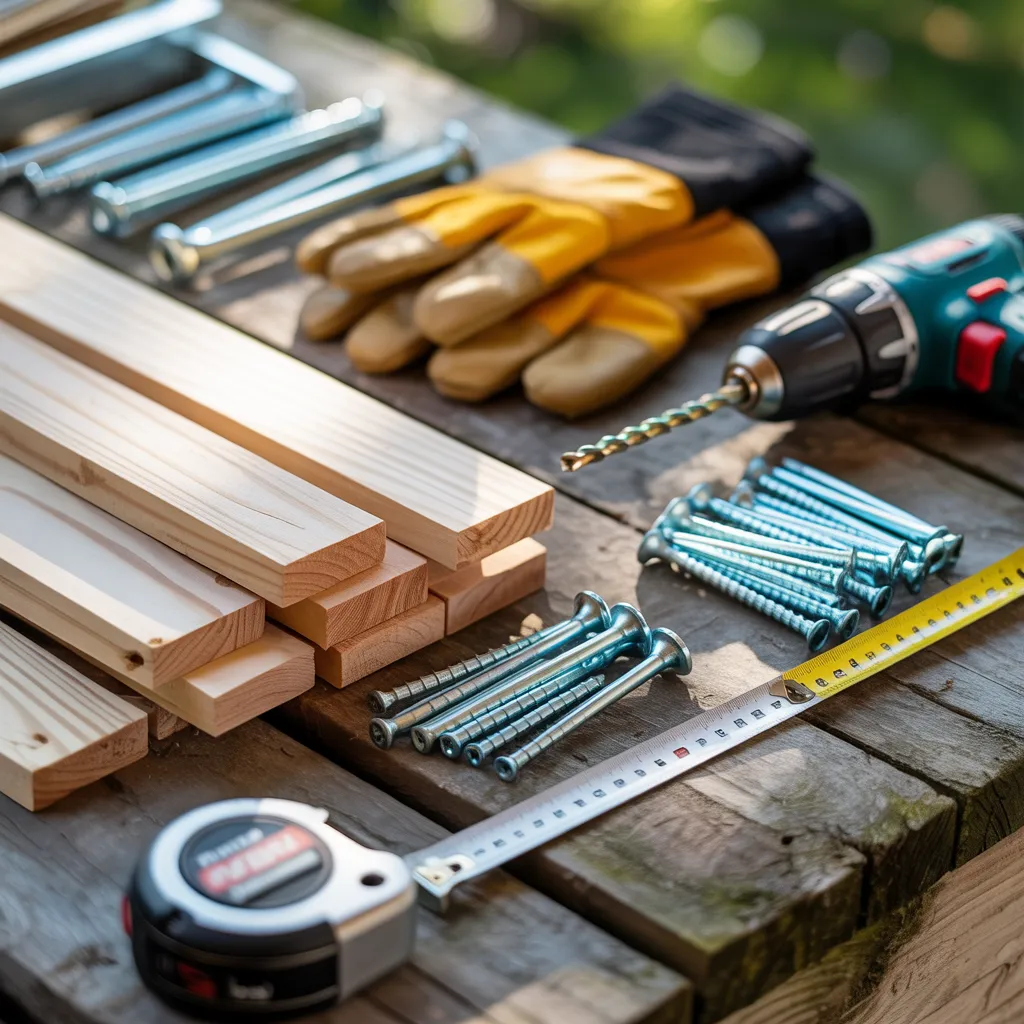
Why Custom Fences Are Essential for Your Property
When evaluating residential upgrades, numerous homeowners realize that custom fences are more than just a visual decision but an essential investment. Custom fences provide various benefits that go beyond aesthetics. They improve safety by creating a physical barrier that prevents unwanted visitors and keeps children and pets safe. Furthermore, these fences ensure privacy, permitting homeowners to relish their outdoor spaces away from unwanted attention.
Moreover, customized fences can clearly mark property boundaries, avoiding conflicts with neighboring properties and securing alignment with local zoning requirements. They further add to the property's overall worth, increasing its attractiveness to prospective buyers.
From a functional standpoint, custom fences can be constructed to fulfill particular requirements, such as gates that provide convenient entry or elements that improve the surrounding landscape. In the end, choosing a custom fence is a strategic decision that offers numerous benefits, elevating both the practical value of the property and the property's visual charm.
An Overview of Popular Fencing Materials: Wood, Vinyl, and Metal
When evaluating fencing materials, wood, vinyl, and metal each present distinct advantages and disadvantages. Financial comparisons show notable distinctions in initial expenses and ongoing maintenance costs. Understanding these factors can help property owners make informed decisions suited to their specific needs.
Advantages And Disadvantages
A variety of fencing materials, such as wood, vinyl, and metal, each offer distinct advantages and disadvantages that can influence a homeowner's selection. Wood is widely selected for its natural aesthetic and versatility view this guide but necessitates routine care to prevent decay and pests. Vinyl, by comparison, is easy to maintain and resilient against discoloration and pests, positioning it as a sturdy enduring solution; however, it might not capture the classic charm of wood. Metal fencing, such as aluminum or wrought iron, provides strong security and longevity but could involve greater expense and may require occasional maintenance to prevent rust. Every material offers distinct qualities, permitting homeowners to consider their individual priorities and tastes when selecting the ideal fencing solution.
Cost Analysis
As homeowners commonly emphasize visual appeal and usability when selecting fencing materials, pricing remains an essential consideration in the decision-making process. Wood fencing typically presents a more affordable upfront cost but requires ongoing maintenance, which may raise overall costs over time. In contrast, vinyl options, though more expensive initially, provide long-lasting performance and low maintenance, making them an economical option in the long run. Metal fence varieties, including aluminum and steel, generally demands a more substantial initial expense but is renowned for its longevity and resistance to weather-related damage, thereby reducing future repair costs. Ultimately, the overall investment—factoring installation, maintenance, and lifespan—should guide homeowners in choosing the most appropriate fencing option for both personal and commercial applications.
Picking the Perfect Fence Design for Your Yard
Selecting the best fence design for a property can significantly improve both the visual appeal and practicality of a home. Homeowners and property owners must evaluate multiple factors when choosing a design, including the intended purpose of the fence, municipal requirements, and the structural style of the building. Privacy fences, for example, are well-suited for creating sheltered outdoor spaces, while picket fences often boost the property's appearance and deliver a welcoming appearance.
Material selection plays a considerable role as well; wood delivers a timeless aesthetic, while vinyl or metal can provide durability and low maintenance. Additionally, colors and styles should complement the surrounding landscape and existing structures. In the end, the ideal fence design not only establishes boundaries but also enhances the overall personality of the property, making thoughtful selection essential for achieving desired outcomes.
Why You Should Choose Professional Fence Installation
Selecting expert fence installation ensures that the project is completed with skill and precision. Professionals hold the essential abilities and background to manage the complexities of diverse fencing materials and configurations. They understand area-specific building codes and zoning guidelines, maintaining conformity and steering clear of legal problems.
Furthermore, hiring experts commonly produces a faster installation process, as they have access to advanced equipment and materials. This efficiency not only saves time but also minimizes disruption to the homeowner's daily schedule. Moreover, professional installers can offer helpful guidance and suggestions designed for the specific needs of the residence, enhancing overall satisfaction.
In addition,opting for professional installation typically offers warranties, providing confidence about the lasting quality and durability of the fence. In summary, opting for professional fence installation is a sound decision for both residential and commercial properties, delivering a exceptional outcome.
How Does Custom Fencing Enhance Security?
Custom fences serve a vital purpose in improving security across both residential and commercial properties. Through the creation of a physical barrier, it discourages trespassers and unauthorized entry. Custom fence height, material selection, and design can all be adapted to satisfy specific security demands, making it challenging for intruders to scale or breach.
Additionally, numerous bespoke fencing options can be fitted with cutting-edge security components, such as gates equipped with surveillance cameras, motion sensors, or locks, providing an enhanced layer of safety. The sight of a professionally built fence can also serve as a visual deterrent, causing properties to become less attractive marks for criminal activities.
Additionally, custom fencing can be designed to limit visibility onto the premises, restricting the details that potential intruders could obtain. Ultimately, custom fencing investments significantly strengthen the security profile of any property, ensuring peace of mind for owners and occupants alike.
Enhancing Curb Appeal With Custom Fencing
A carefully crafted fence can markedly elevate the exterior appearance of a property, instantly transforming its exterior. Personalized fence options offer a wide range of materials, styles, and finishes that can highlight the design elements of a home or business. Whether you prefer a traditional picket-style barrier, a sleek modern design, or a natural timber fence, the right choice can elevate the complete visual appeal.
In addition, custom fences can be crafted to fit distinctive landscapes, offering a natural harmony with gardens and outdoor spaces. With the inclusion of ornamental features, such as ornamental post caps or latticework, residents can more thoroughly individualize their fencing, transforming it into a standout feature.
The aesthetic appeal of a personalized fence not only draws attention but also reflects the owner's style and attention to detail, consistently fostering a warm and appealing atmosphere for neighbors and visitors alike.
How to Budget for Your Custom Fence Project
Budgeting for a custom fence project necessitates a thorough assessment of both starting costs and unexpected expenses. Creating an accurate budget is vital to avoiding unnecessary financial stress, because unanticipated expenses can surface during the fencing project. Understanding these factors can help homeowners make informed decisions and achieve their fencing goals within their financial constraints.
Setting a Realistic Budget
Setting a realistic budget is essential for those planning a fencing project. Both homeowners and business owners should begin by evaluating their requirements and preferences, including the type of materials, design, and size of the fence. Investigating regional costs for both materials and labor allows for an accurate starting budget. Moreover, accounting for potential cost differences driven by factors such as geographic location and project complexity is essential. Reserving additional funds for unexpected expenditures can help maintain financial stability. By thoroughly evaluating all these aspects, individuals can create a thorough budget that aligns with their vision while ensuring they stay within their financial means, resulting in a smoother and more successful fence installation.
Hidden Expenses to Keep in Mind
What unforeseen expenses should be considered during a custom fence installation project? Homeowners ought to be aware of several potential additional costs. Initially, site preparation could demand additional grading or land clearing, especially on uneven ground. Permitting fees can also catch individuals off guard, as local regulations often mandate permits for fence installation. Moreover, if the existing landscape includes obstacles like roots or rocks, removal costs can escalate quickly. Furthermore, homeowners could be subject to unanticipated labor charges if the installation runs into delays or complications. After installation, maintenance expenses, such as staining or repairs, should be factored into the overall budget. By factoring in these unforeseen costs, property owners can establish a more realistic financial plan for their custom fencing project.
Upkeep Tips for Long-Lasting Custom Fences
Although personalized fences can boost the visual appeal and safety of a property, regular upkeep is essential to ensure their durability. Periodic inspections are essential; homeowners should check for signs of damage, such as cracks or rot, particularly in wooden fences. Periodic fence cleaning assists in clearing away grime and debris that can accelerate wear. In the case of wood fencing, applying a protective coating or sealant every few years helps shield against water infiltration and ultraviolet damage.
Iron fences, by contrast, must be inspected for rust and corrosion. Adding a rust-resistant paint can significantly prolong their durability. Additionally, ensuring that plants do not grow onto the fence can avoid moisture accumulation and harm. To conclude, prompt repairs of any issues can prevent more significant issues in the future. By following these maintenance tips, fence owners can be confident their custom fences remain both functional and visually appealing for years to come.
Frequently Asked Questions
How Long Does the Custom Fence Installation Process Typically Take?
Custom fence installation usually spans one to three days, depending on factors such as the size of the property, the materials selected, and weather conditions. Timelines may vary based on specific project requirements and complexities.
Can a Custom Fence Be Installed During the Winter Season?
Indeed, setting up a tailored fence during wintertime is possible. However, the procedure may involve complications caused by frozen soil and adverse weather conditions, often lengthening installation time and necessitating specific tools for best results.
What Permits Are Needed for Custom Fence Installation?
In most cases, a local permit is necessary for fence installation projects, along with applicable zoning approvals. Property owners are advised to contact their local authorities for detailed guidelines, ensuring compliance with height, location, and design requirements before beginning the project.
Are There Warranty Options Available for Custom Fences?
Numerous companies provide warranty packages for custom fence installations, typically covering materials and workmanship. The length and conditions vary, so it is recommended that customers ask about specific warranty details before moving forward with the installation.
What Should I Look for When Choosing a Fence Contractor for My Project?
To select a fence professional, it is advisable to look into local providers, examine customer feedback, confirm licenses and insurance, ask for comprehensive estimates, and review prior installations. Professionalism and communication during initial interactions also indicate dependability and service quality.